Source Commercial Upright Freezer for Hotels, Restaurants, Kitchens
Explore 30 Commercial Upright Freezer options featuring double-temperature control, auto defrost, and stainless steel construction. Buyers can compare models with swing or sliding doors, LED lighting, and energy-saving compressors for hotel, restaurant, and bakery applications; compare the available evidence and request quotations based on your requirements.
Key considerations
Products List


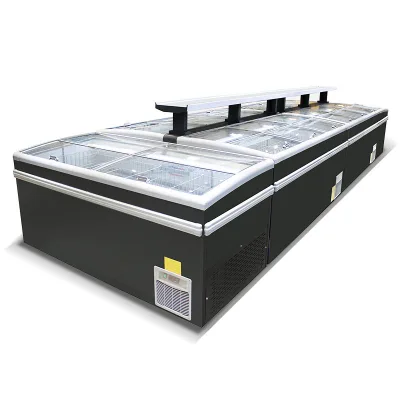
Large Capacity Stainless Steel Commercial Upright Freezer for Restaurant Use
$289.00 - $378.00
MOQ: 1 Pieces




Comprehensive Sourcing Guide
Commercial Upright Freezer Sourcing Guide
Procuring a Commercial Upright Freezer requires balancing precise temperature stability with robust construction for high-traffic environments like hotels and restaurants. Buyers must prioritize units that offer dual-temperature zones to simultaneously manage frozen goods and fresh produce, ensuring operational flexibility without compromising food safety standards. The observed market data indicates a wide range of models, from chest freezers to multi-door uprights, each serving distinct storage needs in professional kitchens.
Selection should focus on verifying the specific cooling method and thermostat technology to match the intended application volume. While some units feature simple computer thermostats, others utilize smart thermostats for enhanced precision, which is critical for maintaining the required temperature ranges of -18°C to -22°C or 0°C to 10°C. Understanding these technical distinctions helps buyers avoid under-specifying equipment that cannot handle the thermal load of a busy commercial kitchen.
Product Scope and Observed Listing Signals
The available inventory spans various configurations, including double-door and six-door refrigerators with dimensions such as 1200×700×1950 mm or 1800×700×1950 mm. These units are frequently constructed from stainless steel 304 or painted steel, offering durability against the harsh conditions of commercial food preparation areas. The observed product models, such as the GN650TNG and GN1260BT-4D, suggest a diverse catalog catering to different spatial constraints and storage capacities.
Buyers should note that door types vary significantly between swing and sliding mechanisms, influencing workflow efficiency in tight kitchen layouts. The presence of glass doors alongside stainless steel options allows for visual inventory checks while maintaining thermal integrity. Additionally, the availability of customization options enables procurement teams to tailor specific features, such as lighting or shelving, to meet unique operational requirements without needing to source entirely different product lines.
Technical Specifications to Verify
Critical technical verification begins with the cooling method, where ventilated or air cooling systems are standard for ensuring uniform temperature distribution across all shelves. Buyers must confirm that the insulation thickness falls within the 50-60 mm polyurethane foam range to guarantee energy efficiency and rapid recovery times after door openings. This specification is vital for maintaining the strict temperature ranges required for long-term storage of sensitive food items in a commercial setting.
Power consumption and voltage compatibility are equally important, with observed units operating on 220V or 110V at 50-60Hz frequencies. The power draw typically ranges from 300W to 540W, depending on the compressor efficiency and unit size. Procurement teams should verify that the selected model includes a high-efficiency compressor and LED interior lighting to minimize operational costs while ensuring visibility inside the unit during service hours.
Compliance and Safety Documentation
Safety compliance is non-negotiable, with many listed units carrying CE, CCC, RoHS, and ISO certifications to meet international and regional safety standards. These certifications indicate that the electrical components and refrigerant handling meet rigorous safety protocols, reducing the risk of electrical hazards or environmental violations. Buyers must ensure that the specific model they intend to purchase holds the necessary certifications for their local jurisdiction before finalizing any order.
Documentation should also verify the refrigerant type, with R134A, R404A, and R290 being common options observed in the market. Each refrigerant has specific environmental and safety implications that must align with local regulations regarding ozone depletion and global warming potential. Additionally, the presence of certifications like SASO, EMC, GS, and ETL suggests a broader compliance framework that supports safe operation in diverse global markets.
Cost Drivers and Commercial Terms
Pricing for these units varies widely, with observed listings ranging from $54 to over $5,000, driven by factors such as door count, material quality, and advanced thermostat technology. The minimum order quantity (MOQ) can range from a single set to 590 units, allowing flexibility for both small businesses and large distributors. Buyers should analyze the total cost of ownership, including energy consumption and maintenance, rather than focusing solely on the initial purchase price.
Commercial terms often include specific packing requirements, such as wooden boxes or cases with foam, to protect the units during transit. The origin of the products, typically Shandong, China, influences logistics costs and lead times, which must be factored into the overall procurement budget. Understanding these variables helps buyers negotiate better terms and plan their inventory replenishment schedules effectively to avoid stockouts.
Supplier Qualification and Quality Control
Supplier qualification should involve a thorough review of their manufacturing capabilities and quality control processes, particularly regarding the use of stainless steel 304 for cabinet construction. Buyers must verify that the supplier adheres to the stated standards for insulation and door closing systems, such as self-closing designs that prevent thermal loss. This due diligence ensures that the equipment will withstand the rigors of daily commercial use without premature failure.
Quality control checks should also extend to the installation type, confirming that units are designed for freestanding installation as specified. The net weight of the units, typically between 120-130 kg, impacts shipping logistics and on-site handling requirements. Procurement teams should request evidence of these specifications from the supplier to ensure that the delivered products match the advertised technical data and performance expectations.
Long-Term Procurement Checks
Long-term success depends on verifying the availability of spare parts and the reliability of the after-sales support provided by the supplier. Buyers should confirm that the supplier offers a warranty that covers critical components like the compressor and thermostat, which are prone to wear in high-use environments. This foresight prevents costly downtime and ensures that the freezer remains operational throughout its intended lifespan.
Regular maintenance checks should be scheduled to monitor the performance of the auto-defrost system and the integrity of the door seals. The observed features, such as adjustable wire shelves and smart thermostats, require periodic calibration to maintain optimal performance. Establishing a proactive maintenance plan based on these specifications helps extend the equipment's life and maintains consistent food safety standards over time.
FAQs
What certifications do these commercial upright freezers have?
These units carry CE, CCC, RoHS, ISO, CB, SASO, EMC, GS, and ETL certifications. Multiple models support double-temperature zones and auto defrost functions. They are designed for hotel and restaurant kitchens with stainless steel or painted steel cabinets.
Can I customize the Commercial Upright Freezer specifications?
Yes, customization is available for these commercial upright freezers. You can select from various door types like swing or sliding doors. The models support different voltage inputs and offer adjustable wire shelves for flexible storage needs in commercial settings.
Which temperature ranges are supported by these freezers?
The units support temperature ranges from -15 to 0 degrees Celsius and 0 to 8 degrees Celsius. Some models also handle 0 to 10 degrees Celsius or -18 to -22 degrees Celsius. This allows for both cold storage and freezing applications simultaneously.
How is the cooling system designed for these units?
These commercial upright freezers use ventilated or air cooling methods. They feature high-efficiency compressors and LED interior lighting. The insulation thickness ranges from 50 to 60 mm of polyurethane foam to ensure energy saving and consistent temperature control.
What is the minimum order quantity for these freezers?
The minimum order quantity starts at one set for many models. However, observed MOQs can range up to 590 units depending on the specific configuration. Buyers should verify the exact requirement for their selected model before placing an order.
Where are these commercial upright freezers manufactured?
These units originate from Shandong, China. They are packed in wooden boxes or cartons with foam for protection. The manufacturing location ensures compliance with international standards while providing cost-effective solutions for global buyers seeking stainless steel refrigeration equipment.
What power sources do these freezers operate on?
These commercial upright freezers operate on 220V, 110V, or 50-60Hz power sources. Power consumption varies between 300W and 540W depending on the model. They utilize refrigerants like R134A, R404A, or R290 for efficient cooling performance in various environments.